
Tanzania avoids rise in unintended pregnancies and unsafe abortions
Implant shortage caused by Global aid cuts is compensated by push to normalise IUCDs
Published on October 30, 2026
Our long-term partner MSI is one of Tanzania’s leading reproductive health care providers, serving over 2 million clients every year.
Historically, international aid agencies supplied most of the contraceptive devices in Tanzania, with implants being the preferred method due to their availability and ease of administration. However, severe cuts to global development aid have disrupted this supply chain, causing implant stock levels to fall below 6 months’ provision in 2025. This shortage threatens hundreds of thousands of Tanzanian women with a lack of safe and effective family planning methods, potentially leading to unintended pregnancies and unsafe abortions.
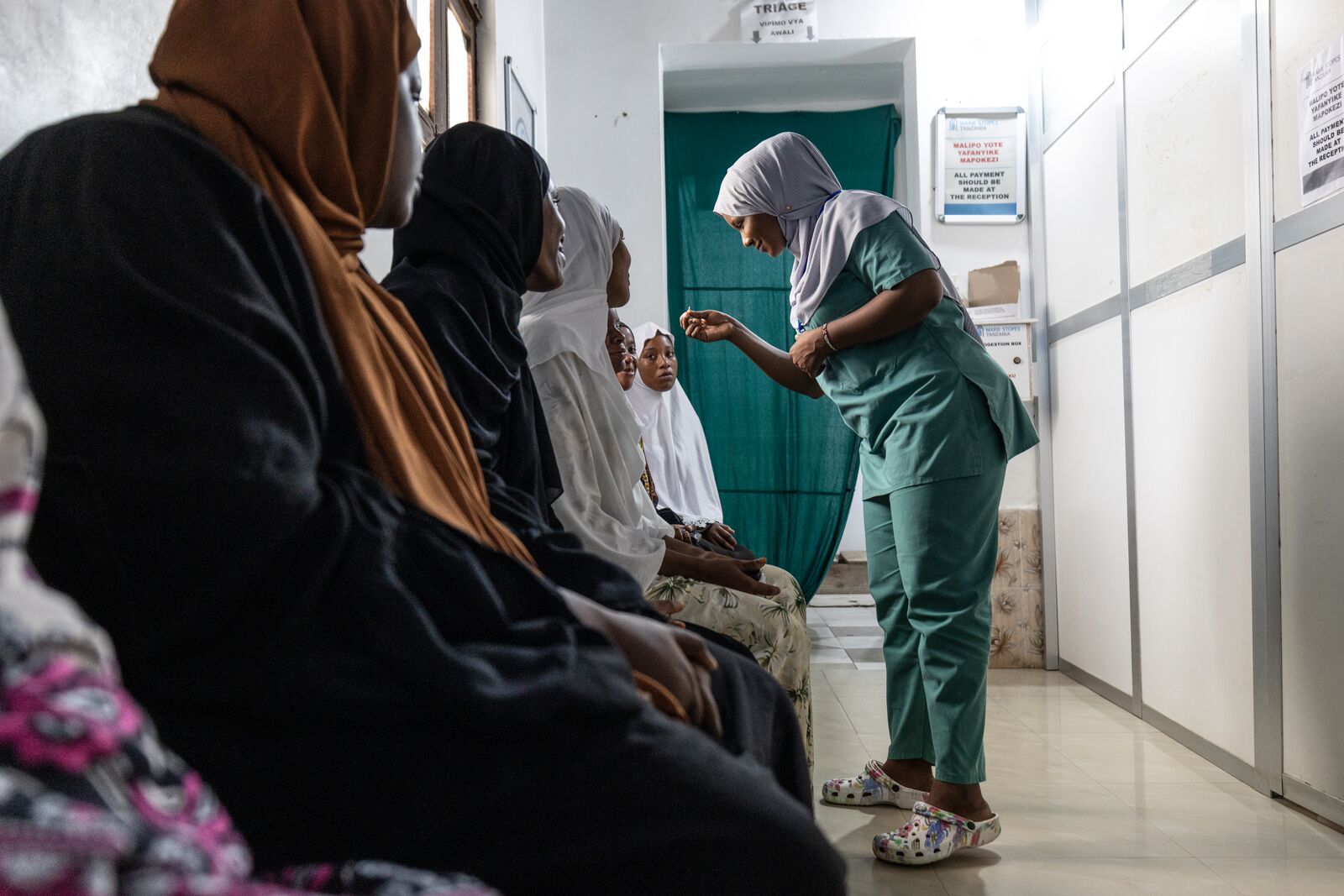
MSI has turned this challenge into an opportunity to expand contraceptive choice by normalising the use of Intra-Uterine Contraceptive Devices (IUCDs), which have not only remained widely available, but were overstocked in Tanzania. IUCDs are as safe as implants and more cost-effective – but there are prevailing misconceptions about their effectiveness, and their safe administration requires providers to be trained.
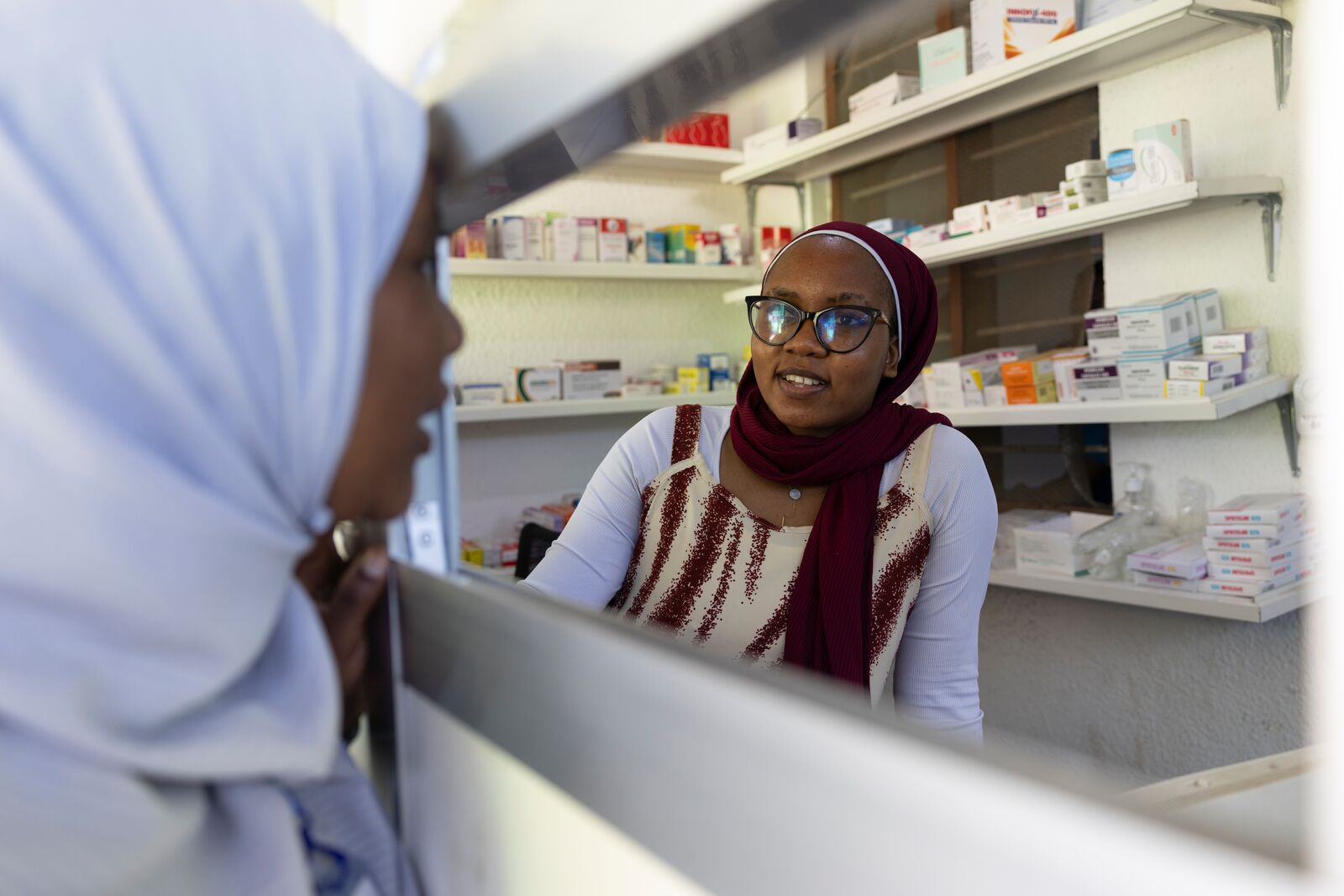
MSI is supporting the Tanzanian Ministry of Health in demand forecasting, stock management and the redistribution of contraceptives in order to maintain the supply of family planning options for millions of women and girls. MSI is also working closely with Community Health Workers to address prevailing misconceptions around the use of IUCDs, and is training service providers in their safe administration.
IUCD uptake in Tanzania has increased from 18% to over 25% of clients reached within a year, with over 98,000 women opting for IUCDs during the year.