
Myanmar farmers tackle a burning issue for the environment and human health
Innovative no-burn rice farming cuts emissions while increasing soil fertility and income
Published on August 4, 2026
Many rice farmers burn their crop residues after harvest to prepare their fields to be replanted. In Myanmar, more than 300,000 rice farmers apply this ancient method every year, burning an estimated 4.6 million tons of crop residues across 800,000 hectares of farmland.
The burning of crop residues has detrimental effects on the climate, public health and soil productivity, generating 7 million tons of CO2 emissions and causing severe air pollution that leads to respiratory and other diseases. It also deprives soils of valuable organic material and nutrients that could act as natural fertilisers.
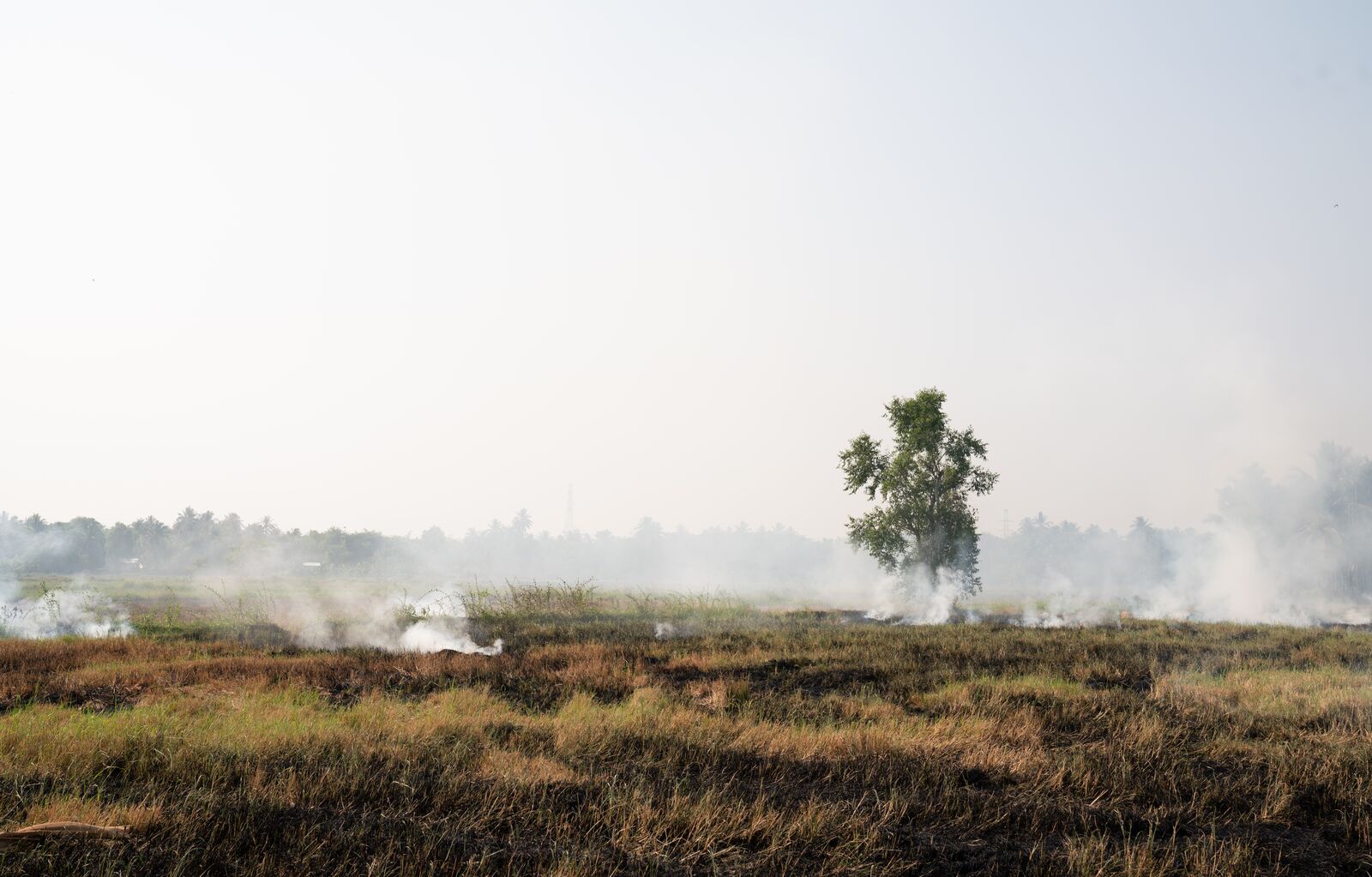
Proximity Designs – an organisation that helps smallholder farmers in Myanmar increase their productivity and incomes through innovative technologies and services – has developed a practical and affordable alternative method that allows farmers to decompose crop residues within two weeks or less instead of having to burn them. This method uses a biological decomposer agent that farmers mix with nitrogen fertiliser and rice bran before spreading it on their harvested fields. The previous growing season’s straw stubble is decomposed into nutrient-rich soil within two weeks, providing fertile ground for the next planting season. In addition to helping human health and the climate, this “No-Burn Rice Farming” practice has the potential to achieve higher crop yields and improve soil health year after year.
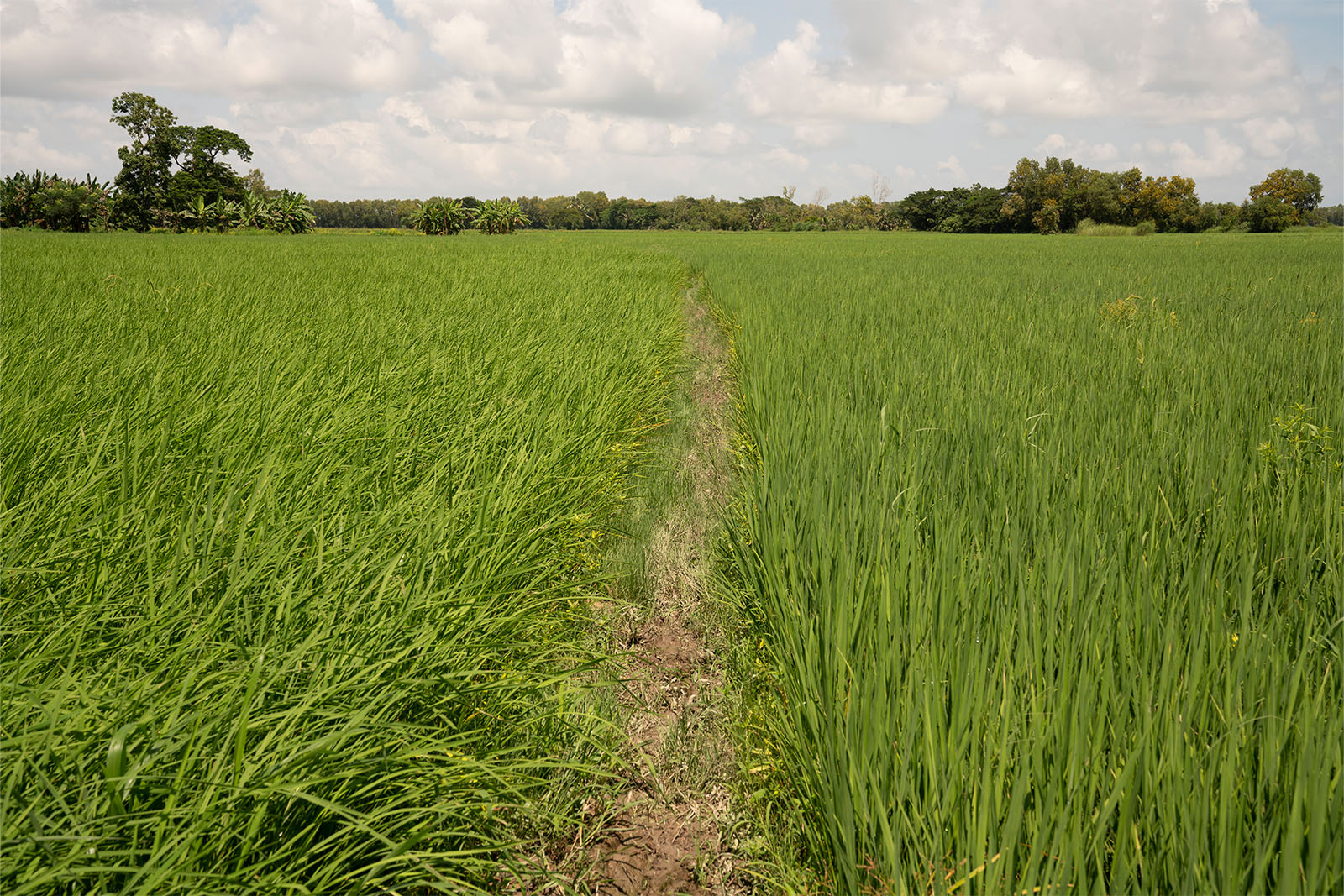
In 2026, results of a Randomised Control Trial study by Michigan State University showed that farmers who adopted the method improved their net income per acre by 26-45%. This led to a household-level gain of USD 247 in the summer season and USD 301 in the monsoon season. Farmers who adopted the method burned significantly smaller surfaces than those who did not: up to 33% less during the 2024 monsoon season, and 74% less in the 2025 summer season. 60% of these farmers perceived an improvement in soil health.
Photos courtesy of Proximity Designs.